
EDITO, One city, worlds in dialogue
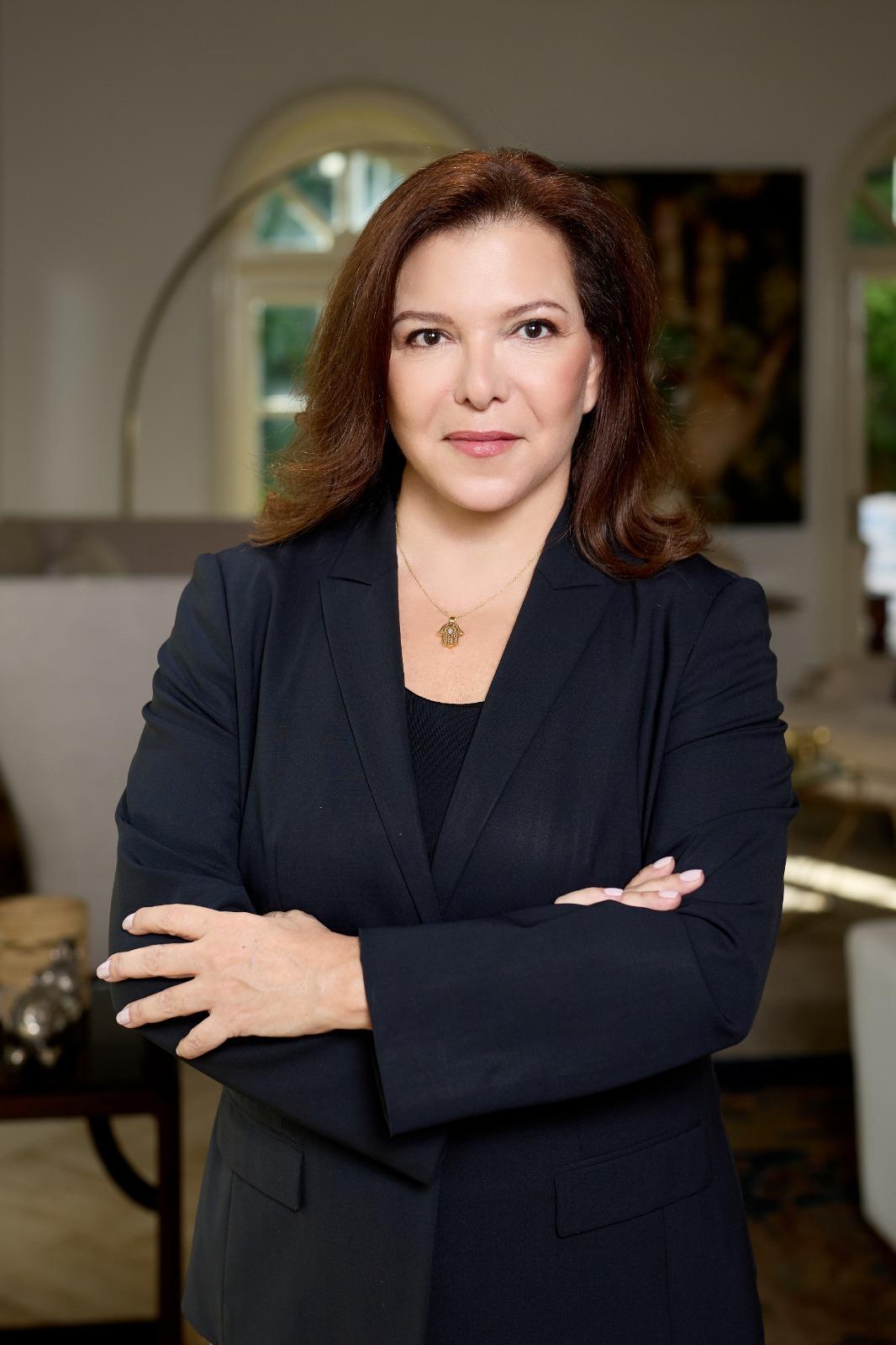
NEILA TAZI
Producer, Essaouira Gnaoua and World Music Festival
Essaouira, a city conceived through openness.
From its founding in the 18th century, it established itself as a port oriented toward the wider world, structured to foster exchange and enable the circulation of people, goods, and ideas. As an Atlantic port city, it developed at the intersection of commercial, spiritual, and human routes. Its strength has always resided in its ability to welcome, to connect, and to transform.
Gnaoua culture carries this memory.
Born of histories marked by displacement and resistance, it has turned cultural blending into a creative force. It reminds us that living cultures emerge through dialogue.
The Gnaoua and World Music Festival is part of this continuity.
In 2026, the programme brings into dialogue artists from territories deeply shaped by maritime circulation and port cultures. From Lebanon to Cameroon, from Brazil to France, from the United States to India, from Palestine to Ethiopia, these regions share a memory of crossings. Their music reflects this history through processes of hybridisation, improvisation, and a sustained capacity to absorb and reinvent.
Conceived as a space of encounter, the Festival brings traditions and contemporary forms into dialogue through distinct artistic trajectories. Fusion occupies a central place, as a field of living creation where musical languages intersect, listen to one another, and evolve.
In Essaouira, these trajectories converge.
The Festival remains a place of grounding and exchange, where traditions engage without ever dissolving into one another.
Yet its ambition extends beyond the stage.
The Human Rights Forum, dedicated this year to “Youth of the World: Freedom, Identity, Future”, extends the artistic reflection by opening a structured and engaged space for dialogue. It brings together researchers, artists, intellectuals, and practitioners around discussions rooted in contemporary realities, combining local perspectives with international viewpoints. Through these exchanges, the Forum examines ongoing transformations and gives full voice to younger generations.
The Berklee at the Gnaoua Festival programme reflects a strong commitment to transmission and professional development. By bringing together musicians from Morocco, across the African continent, and beyond, it offers a framework for learning grounded in artistic rigor, collective practice, and intercultural dialogue. Led by Berklee faculty and established artists, the programme creates a space for artistic development where traditions and contemporary forms meet and evolve.
The Chair of Transitions, developed in partnership with University Mohammed VI Polytechnic (UM6P), supports this dynamic by structuring a space for reflection on cultural circulations and artistic hybridizations that lie at the very core of the Festival’s identity.
We uphold a simple conviction: culture is foundational.
It connects, it shapes, it projects.
In Essaouira, music is not simply presented.
It is transmitted, examined, and carried into the future.
Because a port is never an endpoint.
It is always a point of departure.
To the Gnaoua Maâlems and all the artists who carry, reinvent and pass on this living music, we express our deepest gratitude.
Our sincere thanks also go to all our public and private partners, to the local authorities, as well as to the city of Essaouira and its people, the Souiris, who keep this spirit alive.